<!-- SC_OFF -->
2026 outfit this week vs 2025 (8 months apart)
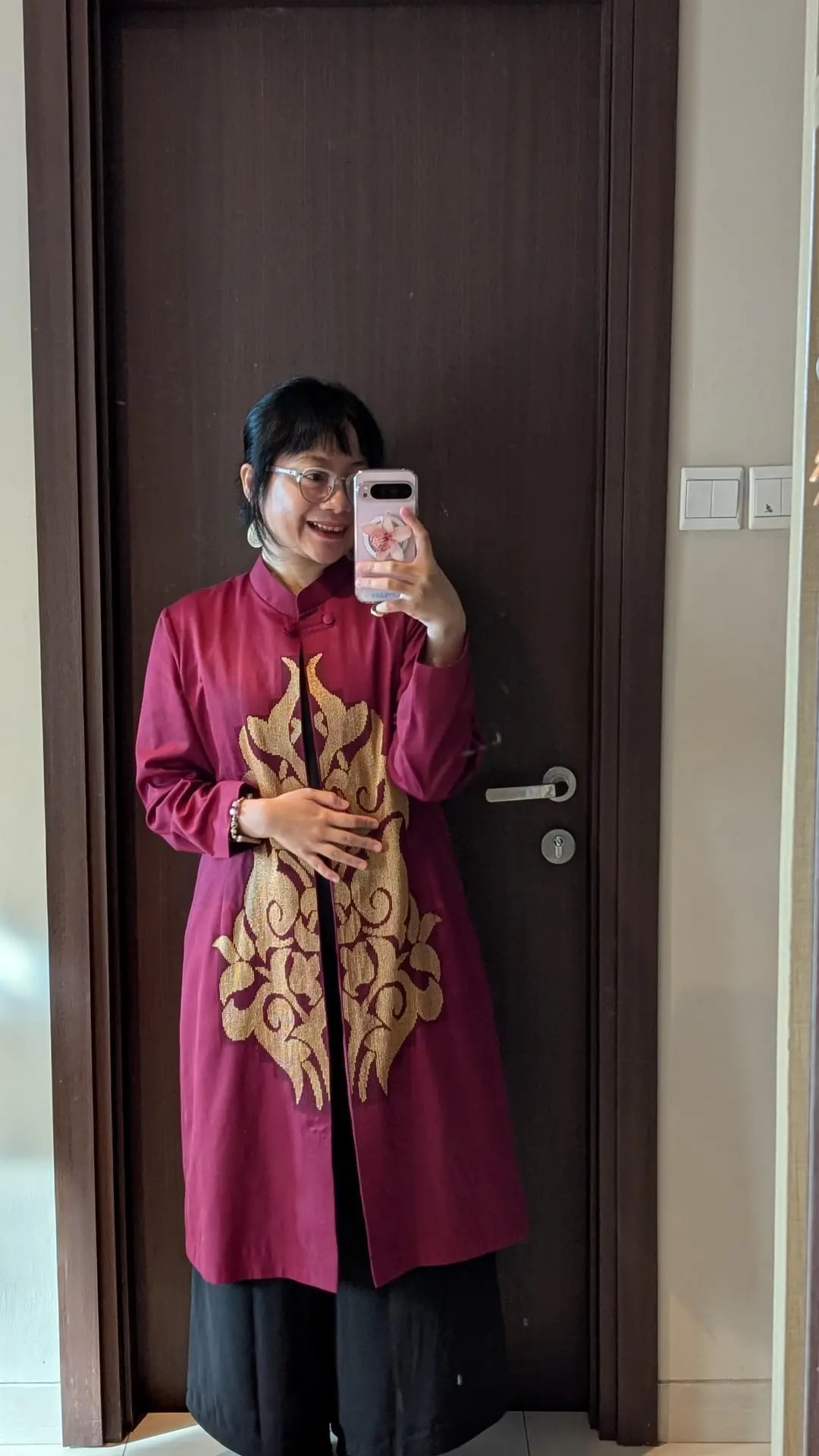
I wore karawo, a traditional Gorontalo textile. I don't always wear it. This week, I wore it only because I visited Gorontalo for business purpose.
Karawo, also known as kerawang, is Gorontalo's signature handmade embroidery tradition. Emerging in the 17th century, the craft survived colonial oppression by being preserved in rural villages. Back then, it was forbidden for us to make and to wear karawo.
During Dutch colonial rule, many traditional Gorontalo identities and traditions were suppressed. However, the art of Karawo was safeguarded by women who sought refuge in the surrounding forests, or remote areas, passing down their embroidery techniques from generation to generation (specifically, women to women). Yes, the women had to suffer for this piece of art.
<!-- SC_ON -->
<!-- SC_OFF -->2026 outfit this week vs 2025 (8 months apart)
I wore karawo, a traditional Gorontalo textile. I don't always wear it. This week, I wore it only because I visited Gorontalo for business purpose.
Karawo, also known as kerawang, is Gorontalo's signature handmade embroidery tradition. Emerging in the 17th century, the craft survived colonial oppression by being preserved in rural villages. Back then, it was forbidden for us to make and to wear karawo.
During Dutch colonial rule, many traditional Gorontalo identities and traditions were suppressed. However, the art of Karawo was safeguarded by women who sought refuge in the surrounding forests, or remote areas, passing down their embroidery techniques from generation to generation (specifically, women to women). Yes, the women had to suffer for this piece of art.
<!-- SC_ON -->